BE aware! Scams can happen to you! How to protect yourself and your parent, grandparent.
Why Older Adults Are Often Targeted by Scammers
Scams tend to target older adults for these reasons:
Older adults are thought to have more financial resources
They are more trusting and polite
Greater likelihood of cognitive decline, which makes them more susceptible to the scam
Less technology savvy
Less likely to report the scam due to embarrassment
More likely to respond to urgency and
Loneliness.
While all of this is true, on any given day, anyone one can be a victim of a scam. It is wise to stay up to date and review the increasing threat of scams. I recently learned from a friend of mine that her husband fell for a scam. At age 72, “Bob” does not have cognitive decline but was pulled into the phone call by the urgency of the caller. Bob’s adult son, a police officer was shocked to learn from his mother that his father was scammed and was upset that he did not tell him. Bob felt embarrassed and humiliated by falling for this scam that he kept it from his son for a long time.
How We Can Help Protect Older Adults From Scams
It is our duty as Aging Life Care Managers, adult children, and grandchildren to maintain a trusting relationship with our older family members. We can be the “safe” person to talk to about these issues. We can provide reassurance that they can talk to us about many issues, such as money, feeling uncertain from phone calls and mail they receive. And most of all, how different it is now from when they grew up. It is beneficial to remind older adults:
Do not give your Social Security number to anyone over the phone, even if they ask you
Do not agree to buy a gift card for someone
Do not believe you won a sweepstake or lottery
It is best not to answer an unknown number, let them leave a voice message so you can be safe.
Remind them how they can stay safe: If someone calls and you don’t know them or the phone number, you can just hang up. You do not have to be polite and be kept on the phone. It is recommend having a “safe person” in your life. This is the person you know you can turn to for advice, and to discuss your feelings after a phone call, text or mail you received that made you feel uneasy. This is a wonderful way to provide a safety net for older adults.
From my own experience, my son is my safe person. I have been driving to Ohio monthly to care for my mom on the Ohio and Pennsylvania turnpike. After one of the trips, I received several texts from Pennsylvania Turnpike that I had not paid the tolls. I was tired and worried that my EZ pass did not work. During a phone call with my son, I told him that I owe money for unpaid tolls. He told me about the new scam alert about Turnpike tolls and not to respond to the texts or pay the fine. I am relieved and safe.
Keep the dialogue about scams a frequent conversation, updating them when you hear of new scams. This normalizes the conversation and lets them know we are all at risk. I have told older adults that the people who are perpetrating the scams excel at scamming people out of their money. While their goal is to devise new scams, our goal is to stay vigilant and prevent falling for scams.
Statistics show that older adults who experience loneliness are more likely to be scammed. This is a good reminder for all of us to check in on our family members and neighbors with regular visits, texts, and phone calls. Share what you have heard about recent scams to open up a dialogue with the older adults in your life. It is best to normalize that we are all at risk of being scammed in today’s world.
If you want added support protecting your loved one’s safety and independence, contact Corewood Care today. We are here to help families navigate challenges like loneliness and changing care needs every step of the way.
Supporting older adults as they age in place involves more than meeting physical needs. True wellness reflects a holistic approach that includes physical health, emotional well-being, intellectual stimulation, spiritual connection, occupational purpose and social engagement.
Each of these six dimensions plays a role in maintaining a vibrant and fulfilling life. When daily routines include meaningful activities that nurture these areas, older adults often experience improved quality of life and stronger connections within their circle of support.
The following 10 activities support whole-person wellness by encouraging movement, creativity, connection and lifelong learning.
Physical Wellness
Physical activity helps older adults maintain independence and confidence in daily life. Even gentle movement can improve circulation, strengthen muscles and support overall mobility. The following activities promote safe and effective movement.
1. Low-Impact Walking and Hiking
Walking remains one of the most accessible outdoor hobbies for older adults, helping maintain cardiovascular health while improving mood and energy levels. With guidance from a care provider, walks can be planned along safe routes while providing steady support and fall prevention.
2. Chair Yoga and Tai Chi
Chair yoga and tai chi offer gentle movement that strengthens balance, flexibility and posture. One in four Americans age 65 and older experiences a fall each year, making guided balance exercises particularly valuable.
Intellectual Wellness
Mental stimulation helps older adults remain curious, engaged and confident in everyday life. Activities that challenge the mind can strengthen cognitive function while encouraging creativity and learning.
3. Brain Games and Puzzles
Crossword puzzles, sudoku and strategy games are excellent memory and mental activities for older adults. These activities stimulate problem-solving skills while keeping the brain engaged through enjoyable challenges.
4. Lifelong Learning and Reading
Exploring new ideas through books, lectures or educational programs supports intellectual growth. Challenging the mind builds cognitive reserve, strengthening connections in the brain and supporting long-term cognitive health.
Social and Emotional Wellness
Strong relationships and meaningful interactions are central to emotional well-being. Activities that encourage connection help older adults feel valued, supported and engaged within their community.
5. Music Therapy and Dancing
Music creates opportunities for social interaction while supporting emotional expression. Dancing or listening to familiar songs can elevate mood, encourage movement and spark joyful memories.
6. Shared Cooking and Baking
Preparing meals together combines creativity, conversation and connection. Cooking is one of the most enjoyable indoor hobbies for older adults, encouraging cognitive engagement while strengthening social bonds around a shared meal.
Occupational and Spiritual Wellness
A sense of purpose and personal meaning contributes greatly to overall well-being. Many older adults benefit from activities that encourage creativity, reflection and community involvement.
7. Volunteering in the Community
Volunteering offers an opportunity to share experience and skills while contributing to meaningful causes. Participation in community organizations often helps reduce feelings of isolation while reinforcing a sense of purpose.
8. Therapeutic Gardening
Gardening combines light physical activity with sensory engagement. Caring for plants can foster a calming spiritual connection to nature while providing satisfaction through nurturing growth.
9. Arts and Crafts
Creative outlets such as painting, knitting or pottery encourage self-expression and creativity. These hobbies for older adults also support fine motor skills while creating a sense of accomplishment.
10. Scrapbooking and Memoir Writing
Documenting memories through scrapbooks or written reflections allows older adults to preserve family history while promoting emotional wellness and reflection.
How an Aging Life Care Expert Helps Older Adults Thrive
Coordinating meaningful activities that support all dimensions of wellness can be challenging for busy families. Aging life care experts help evaluate individual needs and develop personalized care plans that encourage engagement, safety and independence.
Contact Corewood Care to Build a Personalized Care Plan
Families navigating life’s transitions often benefit from professional guidance. Call Corewood Care to speak with us about developing a personalized care plan or submit the contact form to begin the conversation.
Learn the differences between dementia and Alzheimer’s disease with Corewood Care.
Symptoms of Dementia vs. Alzheimer’s Disease
Dementia is an umbrella term used to describe problems with memory or thinking. Alzheimer’s disease is the most common type of dementia. The symptoms are similar, but the progression of Alzheimer’s can include other symptoms.
Dementia is not the same as Alzheimer’s — all Alzheimer’s is dementia, but not all dementia is Alzheimer’s.
With dementia, a decline in mental ability, known as cognitive decline, causes symptoms like memory loss, confusion, and problems with language and understanding.
Alzheimer’s disease is the most common cause of dementia, with 60% to 80% of dementia cases identified as Alzheimer’s. It is a physical illness that damages a person’s brain, and symptoms typically only show as it progresses into later stages. The early symptoms often do not hinder everyday activities. Eventually, the disease causes more damage to the brain, resulting in dementia.
The main way that dementia is different from Alzheimer’s is that dementia can be caused by many diseases, while Alzheimer’s is a specific disease that often causes dementia.
Progression and Treatment of Dementia vs. Alzheimer’s Disease
Receiving a diagnosis of dementia vs. Alzheimer’s can be confusing. Here’s how they differ:
Dementia
Alzhiemer’s
Progression
Some types of dementia are progressive, some are stable, and others are potentially reversible.
There are typically three stages: Early (mild), Middle (moderate), Late (severe).
Treatment
Some forms of dementia may be treatable or reversible if the underlying cause can be addressed. For example, dementia can be treatable if the cause is a vitamin deficiency or medication side effect.
There is no cure for Alzheimer’s disease. Medications and supportive treatments can help slow the progression and manage symptoms. It is not reversible.
Understanding the stages of dementia or Alzheimer’s disease can help the person living with it receive the right treatment and support. In many cases, Alzheimer’s is present for some time before symptoms begin to show. Early detection can help people better prepare for their care as the disease progresses.
Get Support Services for Dementia and Alzheimer’s With Corewood Care
While there are medications for the treatment of dementia and Alzheimer’s, during the middle and late stages, the symptoms can become more pronounced, causing individuals to act in unexpected ways that could be detrimental to their health. As cognitive skills decline, they may need extensive care.
That’s where in-home care makes all the difference. Corewood Care’s in-home care services enable individuals living with dementia or Alzheimer’s disease to live with dignity. Our caregivers provide round-the-clock support, assisting with activities of daily living (ADLs) and offering gentle guidance as the disease progresses. With our care services, individuals living with dementia can receive care and support in a comfortable and familiar setting — their own home.
Contact our team today, and let us help you navigate the available care options for dementia and Alzheimer’s.
Deciding on home care for a parent is a journey best taken together. When it’s time to talk to your siblings about parent care, having a clear plan can turn a potentially stressful conversation into a productive one. This guide offers a step-by-step framework to help you navigate family dynamics, work as a team and create a care plan that everyone feels good about.
By following these five steps, you can move from the initial conversation to finding a care option that provides your parents with the support they deserve.
1. Prepare for a Family Meeting About Parent Care
Before you pick up the phone or send a group text, start by laying the groundwork to mitigate potential sibling conflict. Taking time to prepare ensures you approach your siblings with clarity and respect, while putting your parent’s needs at the forefront.
Gather objective information: Document specific examples of why you are concerned. Note objective instances like, “Mom has fallen twice in the last month” or “Dad is forgetting to refill his heart medication.”
Set a clear goal: Set an achievable goal for this first conversation, knowing you may not find a solution right away. You may want to aim for agreeing to start exploring parental care options together.
Schedule a dedicated time: Find a time when no one is distracted by work or other responsibilities. You can also share your simple goal in advance so your siblings know what to expect.
2. Set Ground Rules for a Collaborative Conversation
This initial meeting should typically be with only the siblings. The goal is to create a united front and a clear plan before approaching your parents. Sibling conflict can impact parental health, which makes it important to be unified when you bring options to your parents.
To ensure the discussion is productive, create a few ground rules for how you will communicate.
Establish Active Listening Practices
Active listening strategies can help make sure each sibling feels heard. In active listening, each person works to understand the full meaning of a message and tunes into the feelings of the speaker, too.
Active listening techniques include:
Making sure that each person has space to express themselves without interruption.
Asking open-ended questions to create further discussion.
Acknowledging the emotional content of a person’s message.
By actively listening to each other, you can get a better idea of your siblings’ perspectives and promote greater collaboration.
Encourage Collaborative Language
The words you choose can either invite cooperation or trigger defensiveness. Avoid demanding or absolute words like “should,” “must,” or “ought.” These terms can sound commanding and often make siblings feel judged or guilty.
Instead, use phrases that invite teamwork. Some collaborative phrases include:
“What are your thoughts on…”
“I’m wondering how we can approach…”
“Could we consider…”
This shift in language signals that you value each person’s input and view them as partners in finding a solution.
3. Create a List of Your Parent’s Needs
Once you have established open communication and agreed to move forward, the next step is to define the problem clearly. Finding the right solution is easier when you all can agree on what your parent needs.
Work as a team to list the specific daily activities your parent needs help with. Be as detailed as possible and note aspects like transportation, assistance with meals or bathing, and organizing medications.
You categorize these needs into two types to help with prioritizing:
Must-haves: These are nonnegotiables related to immediate health and safety, such as fall prevention, medication management and nutrition.
Nice-to-haves: These are elements that improve quality of life but may not be immediate crises, such as housekeeping or social companionship.
With a clear list of needs in hand, you can now explore solutions. This phase is about gathering information so the group can make an informed decision.
Research Care Options
The term “home care” can mean many different things. Understanding the specific types of care available is a critical step in making an informed decision. Key options often include:
Companion care: This service focuses on providing social interaction, emotional support and help with daily errands, meal prep and light housekeeping.
Personal care: This involves hands-on, nonmedical assistance with activities of daily living (ADLs) such as bathing, dressing, grooming and mobility.
Skilled nursing care: This is for medical needs that require a licensed nurse, such as wound care, medication administration or managing chronic illnesses at home.
Once you determine the best care option for your parent’s needs, you can divide research tasks among your siblings to explore local agencies that provide the services your parent needs.
Recognizing Caregiver Stress and Burnout
As you divide tasks, keep an eye out for caregiver stress and caregiver burnout. Often, one sibling has already been stepping in to fill the gaps — stopping by daily, handling emergencies or managing finances.
Caregiver fatigue can cause immense strain to an individual’s personal health and their relationships. If one of you is carrying this weight, a key goal of the new plan must be to prevent burnout by sharing the logistical and emotional load. Frame the search for professional help not as a replacement for family love, but as a necessary tool to support the primary caregiver.
5. Make a Decision and Implement the Plan
The final step is to come together and make a choice. Schedule a follow-up meeting to review the research everyone has gathered.
Look at the options you have found. Compare costs, services and agency reputations. Because you defined your “must-have” needs, it will be easier to identify which options are the best fit.
Aim for consensus, but remember that it is often better to try a solution on a trial basis than to delay care while waiting for a perfect agreement. If you are stuck, you may need a neutral third party to help navigate the impasse.
When Your Family Needs an Expert Guide
Navigating the elder care system can be complex, emotionally charged and often confusing. It is completely normal to need professional help to guide your family through these decisions.
A Professional Care Manager acts as an experienced, objective partner for your family. Unlike a family member who is emotionally invested and historically entangled in family dynamics, a Care Manager brings a neutral, expert perspective. They can:
Perform an unbiased assessment of your parent’s needs, presenting you with a professional opinion that often settles debates.
Vet care options and create a tailored plan for your family.
Mediate family discussions to help you get unstuck and find the best solution for your parents.
If your family is ready for a professional partner to guide you through the process, contact Corewood Care today. We are here to help your family find the path forward together.
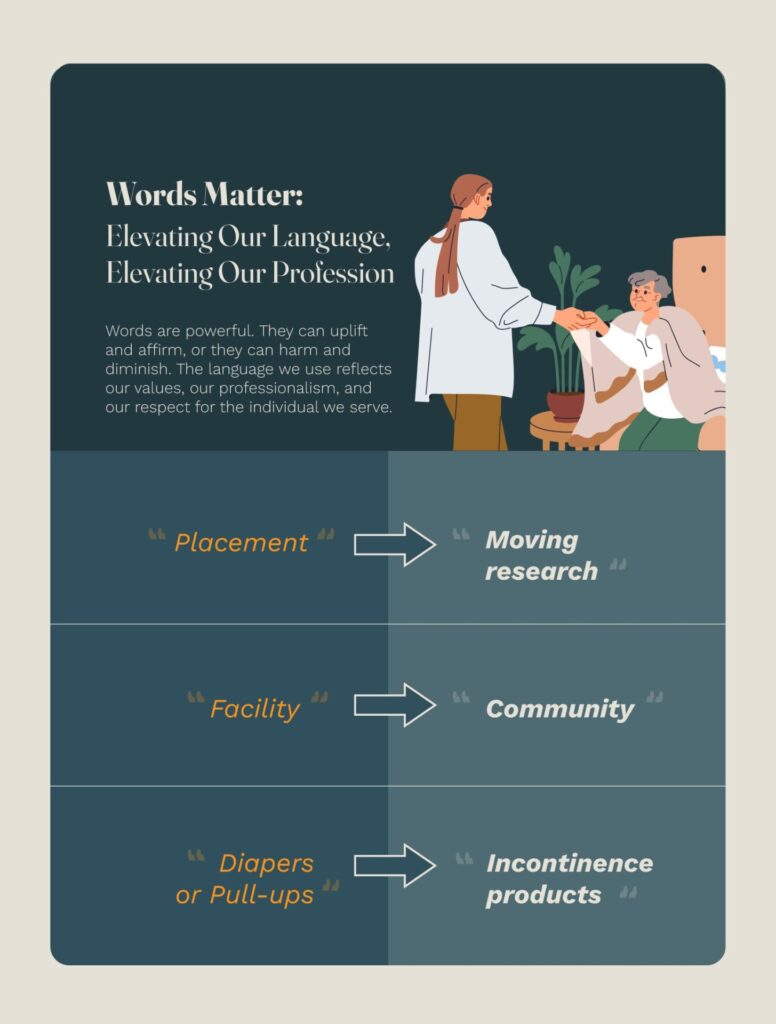
As a Social Worker with over 30 years of experience—primarily in the field of Aging Life Care management—Corewood Care’s Mary Ann Buckley has accumulated countless thoughts and observations over the years. She’s witnessed profound changes in our field and also identified areas where I believe meaningful change is still needed. One simple but impactful way we can elevate our profession is by examining the words we use.
There are many other terms that deserve a closer look. But for now, we hope these examples resonate with you—and inspire you to think about the words you use every day.
Together, let’s elevate our profession by choosing language that reflects our respect, compassion, and commitment to the older adults we serve. Learn more from Mary Ann Buckley with her recent feature on Aging Life Care Association!
Join us for a look at caregiving for older adult relatives through the lenses and lives of different generations. First look is the Baby Boomers, my generation.
Baby Boomers were born between 1946 and 1964. Today, they are between the ages of 79 and 65 years old. This generation was the fastest growing segment of the population at the time. We lived through a significant period of social and political change. Those 18 years in our nation’s history shaped who we are. The characteristics of baby boomers are a strong work ethic, optimism, goal oriented, resourceful, adaptive, health and wellness, as well as loyalty to family.
At some point in our lives, we will be called upon to care for a parent or relative. This is because we are living longer than we ever have. Life expectancy has been on the rise since the 1940’s. And women are more likely to be the identified caregiver as women live longer than men.
The caregiving experience is unique for everyone. It can depend on your age, your parents’ age, your relationship, finances as well as the availability of other supports. Having other siblings, family members and the ability to hire caregivers creates a more robust support team.
My father died suddenly when I was in my last year of undergraduate program, I felt an instant desire to protect my mother, and it has not left me. I was the youngest in my family and the only single child. My mother had a strong feeling that she would not live to old age, given her own mother’s death at age 52. I am happy to report that my mother is 95 years old, I am sixty-seven with three adult children and five grandchildren.
Much like the Gen Z’ers, we are sandwiched in between the needs of our children and parents, and we have grandchildren as well. The Baby Boomers are likely to be retired or near retirement and have grandchildren of various ages. Our goals are to have money set aside for retirement, find what we enjoy, babysit the grandchildren when able and check in on our parents. It sounds like a lot of juggling, and it is!
Here are some helpful reminders for your caregiving journey:
Communication: Talking to your parents is important as you will become an integral part of their care plan. Having discussions about home care or making a move is necessary and you want to know what is important to them. My experience is that many parents are not interested in this discussion and refuse any changes to their life. Being open and honest with them is the best way to approach the conversation as well as expressing your concern for their wellbeing. Be patient as this may be a recurring discussion. You may need to tell them about your own health issues that limit your ability to be a caregiver for them.
Listen: Many older adults have fears of having care in their homes or making a move to a senior living community. Once you understand their fears, it is time to learn more about care in the home and senior living communities so you can help them better understand. My mother told me she would know when it was ready to leave her home as a way to end a conversation. I asked her to tell me what that will look like so that I can know. After much thought, she said when she could no longer walk down the street to attend church on her own. When that time came, and more discussion, she told me what would be important for her in a senior living community. We toured a community that met all of her specifications, and she agreed to move.
Observe: Be realistic and know that changes will occur. Notice big and subtle changes in your parents. Be mindful of how they are walking, paying bills, their diet, their medications, sleeping, the condition of their home, hygiene, and memory issues. Offer to take some tasks off their plate or suggest bringing in help. If you see changes, you know you need to bring up the discussion of care or a move sooner rather than later. Planning ahead is better than having to make rushed decisions.
Help: You will need a support team. I rallied my siblings and became the quarterback of team “Marie.” We agreed on doing what was best for Mom and that was our guiding star. Our sibling texts were extensive: sharing our thoughts, divvying up tasks and checking in on Mom as well as each other. You will need to bring in other family members or professionals to the support team. Review their schedule regularly to find out what is needed, fill in those gaps with family or paid caregivers.
Action items: This list is imperative to get completed. Make sure your parents have these important documents completed: Will completed, Power of Attorney for Health Care and Finances, Living Will, DNR orders. Make a list of their Physicians, diagnosis, medications, insurance numbers, family members names and phone numbers and place it on their refrigerator. Ask if they have a Long-Term Care policy and review it carefully for the eligibility criteria. This is also the time for us Baby Boomers to make sure we have these action items completed.
Whether you are caregiving for your parents near or far, it is an added responsibility for you at this time in your life. While you have life experience and wisdom on your side at this time, you may also have your own health issues. It is best to remember that you need to take care of yourself in order to care for others. This period of time will give you the opportunity to consider what you want as you continue to age. Use this time to communicate with your own children about your wishes. You are modeling how to take care of your parent for your own children and grandchildren.
Many people refer to the word “caregiver” as anyone who gives help to another. While this definition offers a solid foundation, not all caregivers are alike. Each one often has distinct roles shaped by their skills and the specific requirements of the person they support. Understanding these differences can help you make an informed choice about your family member’s care options for assistance at home..
To help you understand the vast world of caregiving, we’ve outlined four of the most common types of caregivers you’re likely to encounter. If you’re searching for a caregiver for yourself or a relative, you may find a perfect fit among these descriptions.
The Importance of Professional Caregivers
If you are a family caregiver, you likely want to give your family member the best care possible, but you may feel like you don’t have the time and resources to fully support them. That’s where professional caregivers can step in, helping you provide the quality care and support they deserve. Caregiver duties and responsibilities can include:
Personal care: Assisting at home with daily activities like bathing, dressing and grooming.
Medication management: Ensuring that medications are taken on time and as prescribed.
Meal preparation: Planning and preparing healthy meals tailored to dietary needs.
Transportation: Driving older adults to appointments, social events or grocery shopping.
Emotional support: Providing companionship and emotional reassurance to alleviate loneliness.
Family caregivers make up the backbone of the healthcare system, offering invaluable assistance so adults can age in the comfort of their homes. Their dedication can improve your family member’s quality of life and foster a deeper connection throughout your family.
4 Examples of Caregivers and Their Responsibilities
The exact care your relative receives will depend on the caregiver you hire. From private-duty caregivers to home health and virtual assistants, here are the four main types of caregivers and their duties:
Family Caregivers: Supporting Older Adults With Care
Family caregivers have played an essential role in society for centuries. As the name implies, these caregivers are family members who assist their relatives. For instance, a 40-something daughter may serve as a caregiver to her aging mother who needs help with activities like grooming, bathing or shopping.
Family caregivers may or may not be volunteers. In some cases, they earn their living by being a full-time caregiver. In other cases, they may only spend part of the time caring for a relative. Unless they’re medically trained and appointed to serve in a medical capacity, they do not deliver any kind of formal home health care services.
If you are a family caregiver, you know that it can be a rewarding yet challenging role. Whether you’re assisting at home with bathing, driving to appointments, cooking meals, or medication reminders, many caregivers juggle these tasks with work, which can lead to burnout and social isolation.
Private-Duty Caregivers: Professional In-Home Assistance
If a family member is unable to provide care, a private-duty caregiver with a medical or nursing background may come into the house. With in-home assistance, professionals help older adults age safely while providing care in the place they are most comfortable.
Private-duty caregivers are hired through trusted outside sources, such as home care and care management services providers like Corewood Care. The family usually works with the private-duty caregiver to determine a customized schedule. Some private-duty caregivers stay throughout the night, while others concentrate their attention on care during the day.
Some families employ more than one private-duty caregiver, especially if they prefer round-the-clock (or nearly round-the-clock) assistance. Depending on the type, private caregiver duties and responsibilities can include:
Personal care assistance: This includes bathing, dressing and transferring.
Companionship: Private-duty caregivers do more than assist your relative with daily activities. They can be a companion for conversation, affection and friendship.
Help with daily tasks: These are typically general tasks like laundry, meal preparation and light housekeeping.
Memory care: Private-duty caregivers may provide Alzheimer’s and memory care for aging adults with dementia.
Transportation services: Professionals will help your family member when they want to get out of the house or need to travel to and from appointments.
Private caregiving might also consist of daily programs that keep older adults active and engaged, whether that’s exercise or participating in their favorite hobby. These professionals might assist you full-time or provide temporary respite care so you can rest and recoup.
Home Health Caregivers: Temporary Medical Support at Home
It’s a common misunderstanding that individuals who need a caregiver today will need one in the future. Consider home health care caregivers. Generally speaking, they’re paid for entirely or partially by insurance to provide anything from physical therapy to home-based nursing.
Someone recovering from an accident or illness may see a home health care caregiver two or three times weekly. Though this type of caregiver can assist with anything from cooking to cleaning, their role is temporary. Ideally, the individual will improve to the point where the home health care caregiver is no longer necessary.
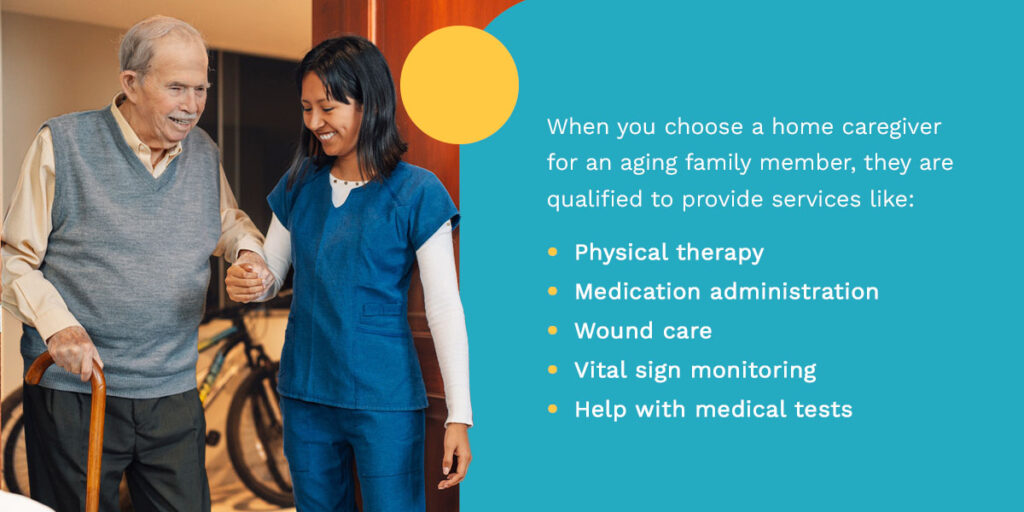
Home health caregivers are usually registered, licensed nurses or physical or occupational therapists. When you choose a home caregiver for an aging family member, they are qualified to provide services like:
Physical therapy: Home health caregivers can help older adults regain their mobility and strength after surgery or an injury. They’ll design an exercise program to improve balance, coordination and overall physical function.
Medication administration: These professionals are trained to administer medications safely and correctly, making sure your family member takes the right dosage at the correct times.
Wound care: This includes changing dressings, cleaning wounds and monitoring for signs of infection. These caregivers will ensure any surgical sites or chronic wounds heal properly while providing recovery care.
Vital sign monitoring: Home health professionals can monitor older adults’ health status, including vital signs like blood pressure, heart rate, temperature and respiratory rate. With ongoing checks, they can identify any health changes that call for medical attention.
Help with medical tests: These professionals can help your family member prepare for medical tests like blood draws or diagnostic imaging. They can explain these procedures and make sure they are comfortable and informed.
It’s important to keep an open dialogue with home health caregivers about your relative’s progress. They can design a care plan to help your family member recover and return to their usual daily activities.
Virtual Caregivers: Remote Support and Companionship
Virtual caregivers can provide companionship from afar. While they might not be able to help someone put on an outfit or go to the store, they can act as a friendly face. Though virtual caregiving is in its infancy, it’s likely to become more popular with the rise in telehealth and telemedicine.
As technology continues to advance, virtual caregivers are becoming more equipped to provide meaningful interactions and support. Virtual caregivers can chat and check in with your family members through ongoing video calls, offering companionship and engagement.
They can also help with medication reminders and appointment scheduling, ensuring that your relative stays on track with their health care needs. Some technologies can track their health metrics, such as heart rate and activity levels, allowing virtual caregivers to alert you when needed. Some virtual caregivers follow a hybrid model so they can make periodic physical assessments.
Virtual caregivers can also promote better social connections by arranging virtual family gatherings or connecting your family member with community programs, helping them maintain a sense of belonging.
How to Choose the Right Type of Caregiver
Choosing the right caregiver for your aging relative is an important decision. Consider the following factors to help with your decision:
Care needs: Startby evaluating your relative’s specific needs. Do they need help with daily activities like bathing or dressing? Do they require assistance with medical needs? Or are they just looking for a companion? Understanding their needs will help you determine whether a family caregiver, private-duty caregiver, home health caregiver or virtual caregiver is the best fit.
Level of independence: If your family member is mostly independent but needs occasional support, a virtual caregiver might be the best fit. However, if they need more hands-on care, you might opt for a private-duty or home health caregiver.
Available resources: Consider your budget and available resources. Some caregivers are covered by insurance, while others might require an out-of-pocket payment. Make sure the caregiver you choose fits your family’s financial plan.
Qualifications and experience: If you choose a home health caregiver, ensure they have proper licenses and certifications. For private-duty caregivers, ask about their experience and training. A background check can also provide peace of mind.
Most importantly, trust your instincts when evaluating the types of caregivers and choosing one for your family member. Meet with potential candidates and make sure they’re compatible with your relative. A strong rapport can lead to a more positive caregiving experience. By considering these factors, you can make a better decision that ensures your parent or relative receives the best possible care.
Turn to Corewood Care for Professional Support and Companionship
Now that you have more information on caregivers, you can consider which type is best suited for yourself or your family member’s needs.
At Corewood Care, our multidisciplinary team includes licensed professionals who can provide skilled home health services, medication management and wellness calls tailored to your family member’s exact needs. With a focus on technology, our integrated care management model enhances the care experience, ensuring seamless communication and collaboration among caregivers.
Coping with dementia in parents or another relative can be challenging. You may feel sad, worried, or shocked after hearing the diagnosis and unsure of your next steps. It can be stressful to know how to address the changes or understand what your family member may need. Fortunately, there are several things you can do to cope with these complex emotions.
Understanding Dementia and Alzheimer’s
Dementia is the holistic term for the symptoms seen in older adults whose cognitive state is declining. Alzheimer’s is a condition that leads to dementia in which the brain cells slowly degenerate.
Symptoms of Dementia
People with early-stage dementia may be aware and frustrated by their inability to recall events or information and may experience difficulty understanding what others are saying. Mild symptoms include memory loss and confusion, which become more severe in later stages.
As the condition progresses, communication and self-care often become more challenging. Mood swings or changes in a person’s behavior are hallmarks of dementia.
Related Behaviors
Those living with Alzheimer’s or dementia often experience memory loss, behavioral changes such as agitation and aggression, communication difficulties, confusion, impaired judgment and other cognitive dysfunctions. They may also experience incontinence and be less likely to care for themselves, needing assistance with activities of daily living (ADLs).
People with dementia may engage in behaviors that are confusing or challenging for caregivers to cope with, such as:
Wandering: Individuals may wander due to boredom, medication side effects or confusion.
Agitation: As the condition progresses, it is common for those with dementia to experience mood swings and angry outbursts.
Repetitive speech or actions: People with dementia often repeat words, questions or activities. While this is usually harmless, it can be stressful for caregivers. Repetitive behaviors may be triggered by fear, boredom, anxiety or environmental factors.
Role and Challenges of Caregivers: Coping Strategies for Family Members
When a family member receives a dementia diagnosis, you may feel a range of emotions all at once. Many people undergo a period of intense grief and feelings of shock, followed by denial and sadness. At the same time, the diagnosis may provide a sense of relief by validating your suspicions and allowing you to seek appropriate support.
The following are a few tips about how to deal with dementia in a parent or someone close to you:
Give yourself time to adjust: Even if you were expecting it, it’s understandable for your parent’s dementia diagnosis to feel like a shock. Give yourself time to process and feel the emotions that arise. Doing so will make it easier to accept the prognosis and devise an appropriate dementia care plan.
Learn as much as you can about the condition: Understanding dementia and its progression can help you cope with changes. You’ll also know what to expect and understand how dementia impacts a person’s physical and cognitive functions. Remember that knowledge can be powerful.
Prioritize rest and self-care: You may have trouble resting after a day of caregiving, which can be detrimental to your physical and mental health. Having a respite caregiver can be a great source of relief, allowing you time to take a break and rest.
Set up an exercise routine: A daily walk outside can be an effective antidepressant for both of you. Physical activity can also help relieve feelings like stress or anxiety as the condition progresses. If needed, keep a transport wheelchair to broaden your options for exercise while running errands. You’ll get to spend time together while improving your mental and physical health.
Emotional Support and Managing Stress
Caring for someone with dementia can be emotionally draining. As much as you love the person, their challenging moods and behaviors can take a toll. It’s important for family caregivers to have coping mechanisms to manage stress. Consider taking one or both of the following steps to support your emotional well-being:
Seek counseling services: When caregivers and people with dementia seek treatment for feelings like depression, they gain better access to care, services and support. It’s essential to open up about your experiences rather than bottling up your emotions. Having someone to talk to regularly who can provide support, education and coaching through the stages of progression can significantly benefit your and your family member’s mental health.
Hire professional caregivers: It can be challenging to juggle your family and home life, job responsibilities and caregiving. It’s okay to hire a professional caregiver when you’re overwhelmed or don’t have anyone to relieve you of your duties. Professionals can provide enrichment, assistance with daily tasks and companionship for your family member when you need some physical and emotional space.
Communication Strategies
Communication is essential for helping you understand each other during this time of change. Ways to enhance communication with someone with dementia include:
Setting a mood for the interaction with positive body language, facial expressions, physical touch and tone of voice.
Limiting noise distractions before speaking and maintaining eye contact.
Stating your message clearly with simple words and sentences.
Asking simple, answerable questions one at a time.
Maintaining a positive, reassuring tone.
Being patient in waiting for replies and suggesting words if they struggle for an answer.
Changing the subject if they become agitated.
Responding with affection.
Working on your communication skills can make caregiving easier and enhance the quality of your relationship with your family member. It can also help you handle any problematic behavior that may occur.
Agitation can be triggered by various things, from environmental factors to fear and fatigue. At this time, it can be highly beneficial to give each other space and take time for privacy. In heated moments or times of stress, leaving the room for a few minutes can provide peace and allow both parties to calm down.
Speak in a reassuring voice, and don’t attempt to restrain a person when they are agitated. Support their independence and allow them to care for themselves as much as possible. You might also try distracting them during stressful moments with a snack or activity.
Similar to handling agitation, provide plenty of comfort and reassurance. Try to ignore the behavior and instead play soothing music or distract them with an activity.
Practical Care Tips for Alzheimer’s and Dementia
Practical ways that caregivers can manage and care for someone with dementia include:
Support their independence: Agitation and challenging behaviors in people with dementia can be triggered by a lack of control, and your family member may feel as if they don’t need help. While many activities likely require your assistance, try to support their independence as much as possible. Give them space to handle their emotions and daily tasks on their own as much as possible. For example, laying out articles of clothing one at a time can facilitate dressing and preparing finger foods can help them eat on their own with less difficulty.
Set up consistent routines and expectations: Many people with dementia may believe they don’t need help, causing a power struggle over daily tasks. By clearly defining daily roles and routines, you can avoid conflicts and help you both feel more settled. Delegate specific tasks for cleaning and eating to create a more peaceful environment when caring for someone with dementia. Following a routine can also help you cope with the changes after a diagnosis and ensure a smoother transition into caregiving.
It’s essential to rest when you can and prioritize time for yourself. Keep the day structured and predictable and your environment uncluttered. Pacing yourself and giving yourself time to rest will make all the difference for your mental health and allow you to better care for your family member.
Ensuring Home Safety
One of the most challenging changes that occurs when someone is diagnosed with dementia is maintaining a safe home environment. Tips for optimizing home safety include:
Consider installing locks that require a key.
Add child-safe plastic covers to doorknobs.
Take steps to help prevent falls, like removing hazards, installing railings and improving lighting.
Install a home security or monitoring system to watch over your family member.
Have your relative wear an ID bracelet or sew ID labels to their clothing.
Tell neighbors about your relative’s wandering behavior and ensure they have your phone number.
Nutrition and Dementia
A nutritious diet and regular exercise are key components to managing dementia and improving quality of life. Undernutrition is common among people living with dementia. Ensuring proper nutrition through meal planning and monitoring for any adverse feeding behaviors is essential.
In addition, your parent’s doctor should monitor their weight and nutritional status on a regular basis. They may also recommend working with a dietician for nutritional advice and guidance, including if any oral nutritional supplements would be beneficial.
When You Need Some Extra Support, Corewood Care Is Ready to Help
Coping with dementia in parents or close relatives can be challenging, especially when you are their sole caregiver. It’s important to know that you are never alone, and it’s perfectly fine to reach out for help when you need it.
Corewood Care has some of the best caregivers in the industry. Being in a familiar setting and maintaining their routine can make all the difference in your family member’s well-being. We also provide supervision and wellness monitoring to look after and record their physical, mental and emotional health.
Our Alzheimer’s care services and dementia services are designed to provide holistic, exceptional care while giving caregivers a much-deserved break. We can provide respite care and companionship as well as support with tasks like light housekeeping, ADLs, meal planning and preparation, and more. Memory care services are also available — we’re here to help any way we can.
Maintaining good mental health is a crucial factor when caring for an older adult with dementia or Alzheimer’s, or for those who require assistance with activities of daily living (ADLs). Your mental health is precious, and finding ways to stay healthy helps prevent burnout and support overall emotional well-being.
Understanding Caregiver Burnout
It’s normal for the role of a caregiver to feel overwhelming at times — and the accumulation of stress over time is what can lead to burnout. Caregiver burnout can involve mental, emotional, and physical components related to caring for an older adult, especially a parent or close relative. For example, completing tasks like bathing and helping with mobility can be physically demanding.
With less time for themselves, caregivers may neglect their own physical health and wellness. Sacrificing their time may also lead to feelings like loneliness and regret, impacting emotional and mental well-being.
Caregiving and Stress Management
Fortunately, there are ways to manage stress and prevent caregiver burnout. Caregivers can take steps to communicate their feelings openly, build a support network and prioritize their mental and overall health. Stress management tips include:
Maintain a regular exercise routine.
Practice relaxation techniques like meditation.
Create a consistent schedule that includes regular breaks.
Make time for hobbies such as reading or painting.
Set realistic boundaries for additional responsibilities.
The Support of Family and Friends in Caregiving
Friends and family are pivotal in helping caregivers maintain their mental health. With their consistent support, caregivers have a refuge when they encounter challenges like fatigue or feeling isolated. Family and friends can offer emotional support, practical help, and guidance to help caregivers enjoy their responsibilities as well as enjoy some occasional time for themselves.
Exploring Respite Care Options
Respite care is the solution to ensuring caregivers can enjoy balance and support their overall health. At Corewood Care, our team offers companion care services so caregivers can enjoy temporary relief from their duties. Our care professionals can help with light housekeeping, medication and appointment reminders, meal preparation, emotional and wellness support, socialization, and entertainment.
Our licensed care team members are trained to attend to the needs of older adults so their family caregivers can take a break and return feeling replenished and rejuvenated.
Seek Professional Help at Corewood Care
At Corewood Care, we are here to help. As part of our companion and dementia care services, our caregivers can provide relief for family members or friends caring for an older adult, especially those with health issues affecting their daily activities.
If you’d like to discuss our respite care options, call us at 301-909-8117 or complete an online form to schedule a free home care assessment.
How Do You Plan a Smooth Hospital Discharge for Seniors?
When an older family member is hospitalized, it’s a relief to learn they will be released soon. Once you’re aware of this, the next step is to create a smooth and well-coordinated discharge plan to help them transition back home and continue a safe and well-supported recovery.
Why Is Proper Discharge Planning Important?
A disorganized transition from a medical facility can lead to higher chances of readmission and medication issues. Proper and early discharge planning benefits older adults by:
Creating a discharge plan eases worries and addresses important questions you must ask the doctor. It helps maintain consistent care coordination and lowers the chances of health-related issues such as improper medication management. Learn how to create a successful discharge plan and prioritize key elements to provide your older family member with the right care.
Steps in Creating a Smooth Discharge Plan for Older Adults
Discharge planning prepares the older adult to move from one type of care to another, such as from a hospital to a home. It consists of specific instructions based on their health condition. In the United States, hospitals must have discharge planning in place for accreditation.
Here are the steps and important elements of an effective discharge plan:
1. Work With a Discharge Planner
Before your family member is released, coordinate care with a discharge planner. You can contact a designated discharge planner, nurse, social worker or health care representative to help you make transition arrangements from the hospital.
A discharge planner evaluates your family member’s condition to create an appropriate in-home care plan. Once they develop a care plan, they asses it with you, the discharged individual, and any relevant family members. Reviewing the care plan together will help ensure it is properly implemented once your family member is home. You can also ask your discharge planner for advice on home care options.
2. Write Down Essential Medical Information
How do you organize your plan? Start by asking important medical questions from the doctor. This includes in-depth information about the older adult’s health, new medications, and appointment schedules. Once you get the answers, write them down so the details are easier to remember.
Understanding your family member’s condition is crucial to assessing what level of care they might need. Here are specific things to ask their healthcare provider:
What’s my family member’s current medical status? Ask about their condition, what treatment they received in the hospital and how their health will impact their life. It’s wise to ask what symptoms to watch out for that might need a doctor’s supervision.
Are there new medications and diet specifications? Ask for clear instructions on how and when prescriptions should be taken. Older adults often struggle with proper medication use for different reasons, such as forgetfulness. Assisting with medication management will help lower their health risks. Besides medications, list diet restrictions to steer clear of unhealthy foods.
What future appointments must they attend? Ask their health care provider about medical checkups and lab tests they should not miss. Note them on a calendar and make arrangements to help your family member attend them. It’s better if you or another trusted caregiver can accompany them to an appointment.
What is the level of home care they need? Assess how much care they will need at home. Do they require post-surgery recovery care? Do they need home care assistance with daily activities, such as preparing meals and light housekeeping? Know what activities they cannot perform on their own.
Does my family member have mobility challenges? After hospitalization, some older adults have mobility issues that make it challenging to get around the house. They might need physical therapy. You might also need to install handrails and brighter lighting to help them access areas and prevent falls.
3. Book Safe Transportation Services From the Hospital
Start looking for reliable transport services to get your family members home if you’re unable to pick them up. With so many things you must remember, it’s easy to overlook this important arrangement. Make sure to save the discharge date in your calendar.
The Elements of Effective Discharge Planning
The Agency for Healthcare Research and Quality (AHRQ) made the IDEAL Discharge Planning Strategy for hospitals. This approach helps improve communication and engagement between healthcare providers and people receiving medical treatment. While it’s created for healthcare staff, you can also adopt this strategy when communicating with your family member and their assigned caregiver.
The IDEAL acronym stands for:
Include: Involving your family member, assigned caregiver and other relatives in planning will help create a smooth home transition. It also means identifying who will provide in-home care for your parent.
Discuss: Communicate crucial information to everyone involved. Schedule time to explain your family member’s condition and test results. This includes what the home situation will be like, the level of care needed, appointments, medications and food restrictions. Emphasize signs and symptoms requiring immediate attention and establish whom to call for help.
Educate: Create learning opportunities for your family member and caregiver. You can start by reviewing medications together and how they should be taken. While at the hospital, encourage everyone to be involved in care practices so they feel confident about providing care at home. It’s also an opportunity to tell relevant friends and family about the discharge schedule and next steps.
Assess: Part of effective communication is knowing how well everyone understood the shared information. Ask them to repeat essential information in their own words. If something is unclear to everyone, ask your health care provider to explain it again.
Listen: Be open to questions and concerns. Listen to everyone and clarify important questions to the health care provider before leaving the hospital.
Post-Discharge Support and Home Care Services
Start looking for in-home caregivers before your family member leaves the hospital. Different types of home care can address the unique needs of older adults. Relying on professional home care assistance will give you the proper support to navigate the changes once your relative arrives home.
Consider the following home care services:
Personal care: These caregivers assist with daily activities like preparing meals, bathing, dressing, and light home cleaning. They also offer medication and appointment reminders.
Companion care: These caregivers offer emotional support and companionship on top of assisting with daily activities. They also remind older adults about medications and appointments.
Skilled nursing: Skilled nursing is appropriate for older adults who need in-home medical care, such as those who have had surgery, have chronic conditions, or require medication management.
Therapy services: Older adults with conditions that impact their functional capacity might need physical, occupational, or speech therapy.
Trust Corewood Care for Your Home Care Needs
Get the reliable support you need when an older family member is discharged from a hospital. Contact Corewood Care to arrange transportation for a safe and well-coordinated transition from a hospital to a home, rehab facility or nursing home. We offer personalized services and flexible arrangements to help make the experience as comfortable as possible.
Empower your family member to live and age gracefully with help from Corewood Care. We aim to improve how health is managed with tailored, quality services. Trust us for professional care management and home care throughout the D.C. Metropolitan area, including Maryland, Washington, D.C., and Northern Virginia. You may also contact us for hospital-to-home transitional care to prioritize your family member’s safety and quality of life.





Recent Comments